.png)
Tel: +86-18964591791

E-mail: contactus@handa-power.com

WHAT ARE YOU LOOKING FOR?

.png)

.png)
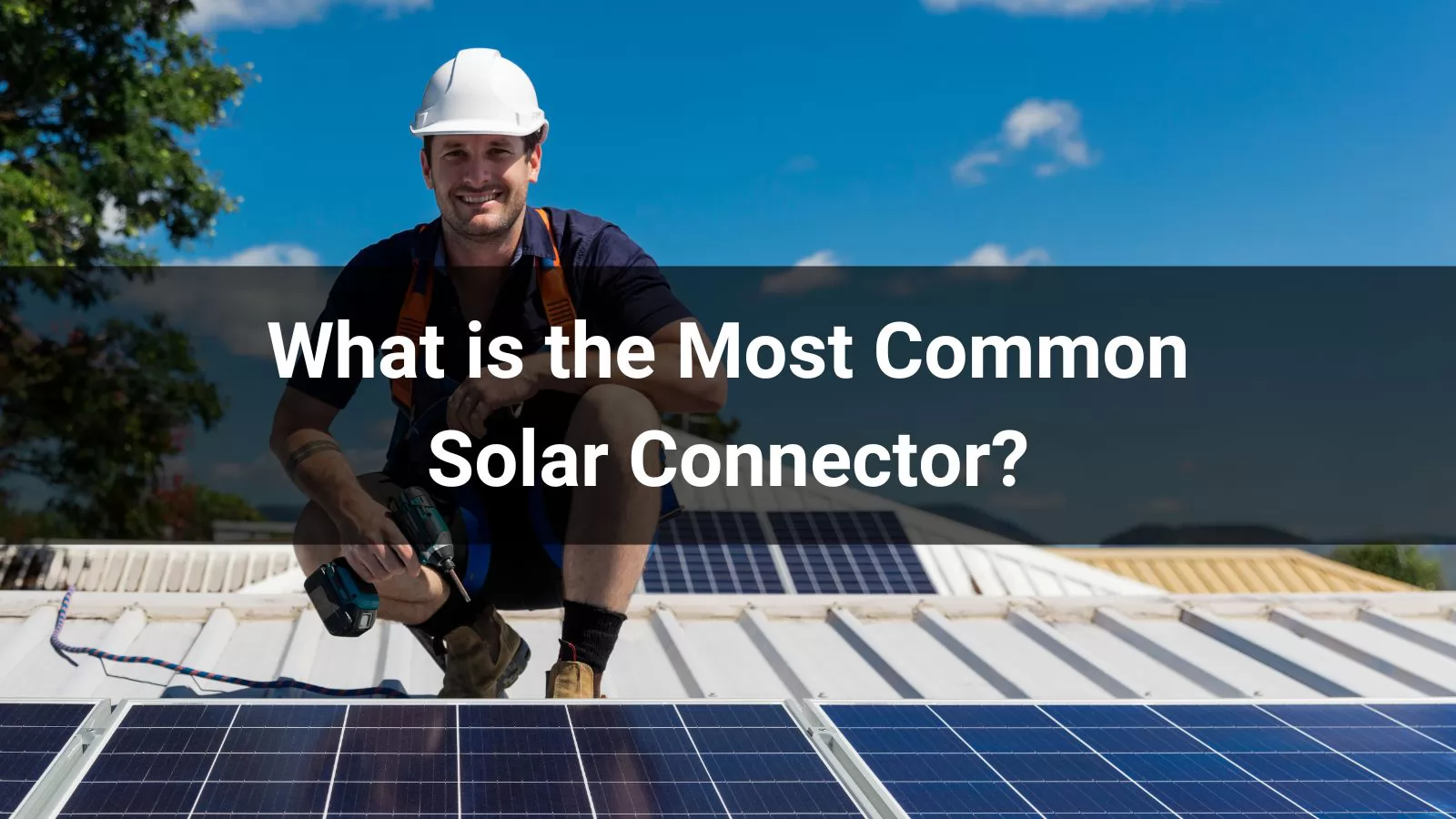
When it comes to solar energy systems, there's a lot of focus on the big components like solar panels and inverters. However, behind the scenes, it's the smaller components, like solar connectors, that make everything work seamlessly. Think of them as the "unsung heroes" of solar installations. Without the right connectors, your solar system wouldn't be able to function properly, or worse, it could face major performance issues down the line.
In this comprehensive guide, we're going to discuss the most common solar connector and dive deep into the different types of solar connectors available in the market. Whether you're a solar installer, a project manager, or someone interested in the industry, understanding the importance of these connectors can save you a lot of headaches in the future. Let's begin by exploring the various types of solar connectors and why choosing the right one is crucial for a successful solar setup.
Table of Contents
Solar connectors serve as the critical link between solar panels, inverters, and the rest of the energy system. Without connectors, it would be impossible to safely and efficiently transfer the electricity generated by the solar panels. Now, while there are many different types of solar connectors, not all are created equal, and some have become the go-to option in the industry.
Before we dive into the specifics of the most common solar connector, let's first take a look at the general categories of solar connectors available today:
These are, by far, the most widely used solar connectors. You'll often find MC4 connectors in residential, commercial, and even industrial solar systems. They're known for their durability, ease of use, and high compatibility with most modern solar panels.
MC3 connectors were once popular but have largely been replaced by their MC4 counterparts. They're not as weatherproof or safe, which is why most modern systems have shifted away from them.
These are fairly similar to MC4 connectors but are typically used with a specific brand of solar panels. While they offer good performance, they're not as universal as the MC4.
Another alternative that offers excellent performance in harsh environments, H4 connectors are often used in commercial or large-scale solar farms where reliability and durability are a priority.
Although not as common as MC4 connectors, Tyco Solarlok connectors are known for their easy installation and reliable performance. They're often used in industrial applications.
Now that we've covered the various types of solar connectors, it's time to focus on the industry standard and the most common solar connector used today: the MC4 connector.
If you've spent any time around solar installations, you've undoubtedly heard of the MC4 connector. Standing for "Multi-Contact, 4mm diameter pin," the MC4 connector has become the gold standard for solar connections worldwide. Why? Simply put, they're the most reliable and versatile connector out there.
Let's break down why MC4 connectors are considered the go-to solution for solar systems:
One of the main reasons MC4 connectors are so popular is because they are compatible with almost all solar panels. Regardless of the panel manufacturer, you'll likely find an MC4 connector attached, making it easy to mix and match components from different brands without worrying about incompatibility issues.
This universal compatibility is a significant advantage for solar installers who need to source components from various suppliers. It simplifies inventory management and reduces the risk of ordering the wrong parts for a project.
Solar panels are exposed to the elements 24/7. Rain, dust, wind, and extreme temperatures can wreak havoc on electrical components. The MC4 connector is designed to withstand all of this. Its IP68 waterproof rating ensures that no moisture gets inside, while the UV-resistant materials used in its construction prevent degradation from long-term sun exposure. Whether you're installing a system in a scorching desert or a rainy coastal area, MC4 connectors have got you covered.
The durability of MC4 connectors is particularly important for outdoor solar installations where connectors may be exposed to harsh weather conditions for 25 years or more. Quality MC4 connectors are tested to withstand temperature ranges from -40 degree C to +90 degree C, ensuring reliable performance in virtually any climate.
The simplicity of installing MC4 connectors is another reason they've become the most common solar connector. These connectors are tool-free, meaning you don't need any special equipment to install or remove them. This not only saves time but also reduces the possibility of mistakes during installation.
For professional installers, this translates to faster project completion times and lower labor costs. The snap-together design allows for quick connections in the field, and the audible "click" confirms that the connection is secure.
When dealing with electrical systems, safety is always a top priority. MC4 connectors provide snap-in locking mechanisms, which ensure that the connection is secure and stable. This reduces the chances of accidental disconnections, ensuring your solar system operates smoothly and safely.
The locking mechanism also provides strain relief, protecting the wire connections from being pulled apart by thermal expansion, wind movement, or other physical stresses that can occur in outdoor installations.
MC4 connectors are built to handle the high currents and voltages that are typical in solar installations. Most standard MC4 connectors can handle up to 1,000 volts and 30 amps, making them suitable for everything from small residential setups to large commercial installations.
Newer versions of MC4 connectors, like those offered by quality manufacturers, can handle up to 1500V DC, meeting the demands of modern high-voltage solar systems and enabling longer string configurations for improved efficiency.
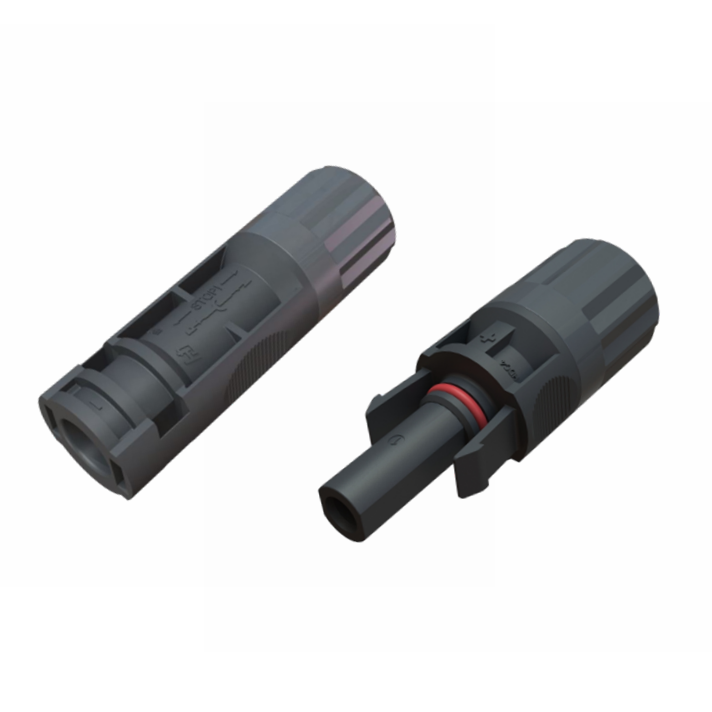
| Parameter | Specification |
|---|---|
| Rated Voltage | 1500V DC |
| Rated Impulse Voltage | 16KV |
| Wet Insulation Resistance | ≥500MΩ |
| Contact Resistance | ≤0.25mΩ |
| Overvoltage Category/Pollution Degree | CAT III/2 |
| Safety Class | II |
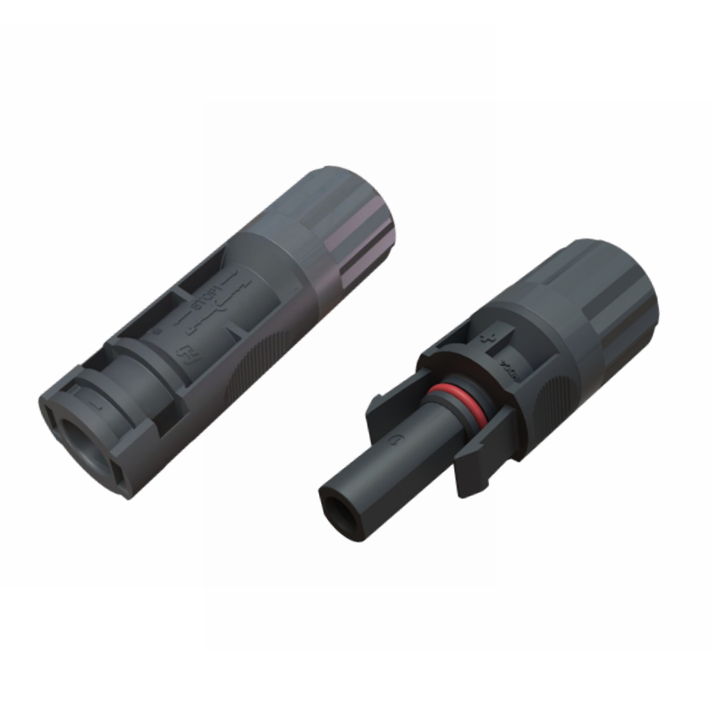
Handa HD brand HDC4 model PV solar connectors are 1500V TUV and CSA double certified, featuring pure red copper contact pins and higher quality construction. Suitable for wiring 2.5mm² (30A), 4mm² (41A), and 6mm² (55A), these premium quality connectors are compatible with other main models of solar connectors worldwide.
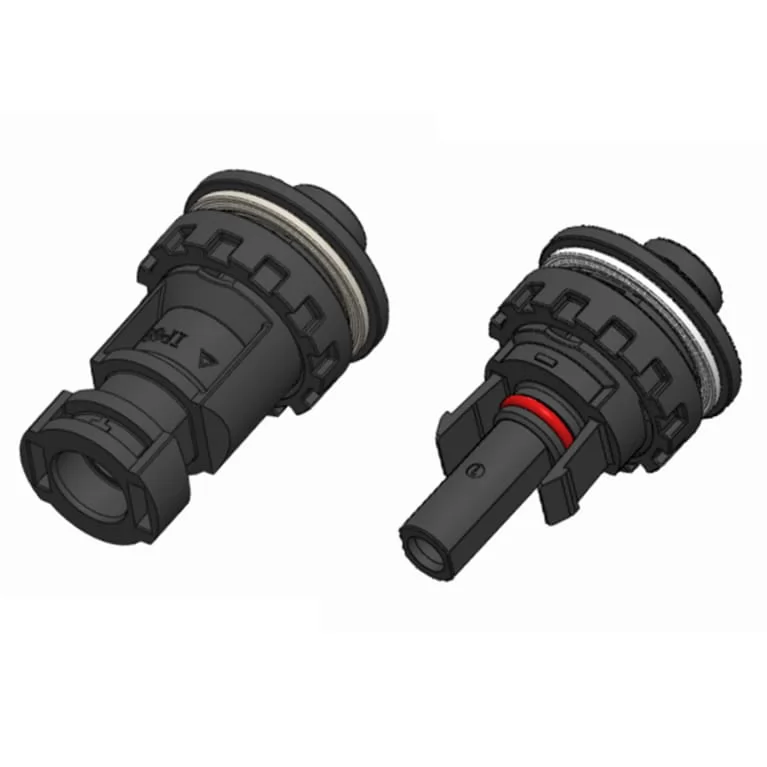
| Parameter | Specification |
|---|---|
| Rated Voltage | 1500V DC |
| Rated Impulse Voltage | 16KV |
| Rated Current | 55A |
| Wet Insulation Resistance | ≥500MΩ |
| Contact Resistance | ≤0.3mΩ |
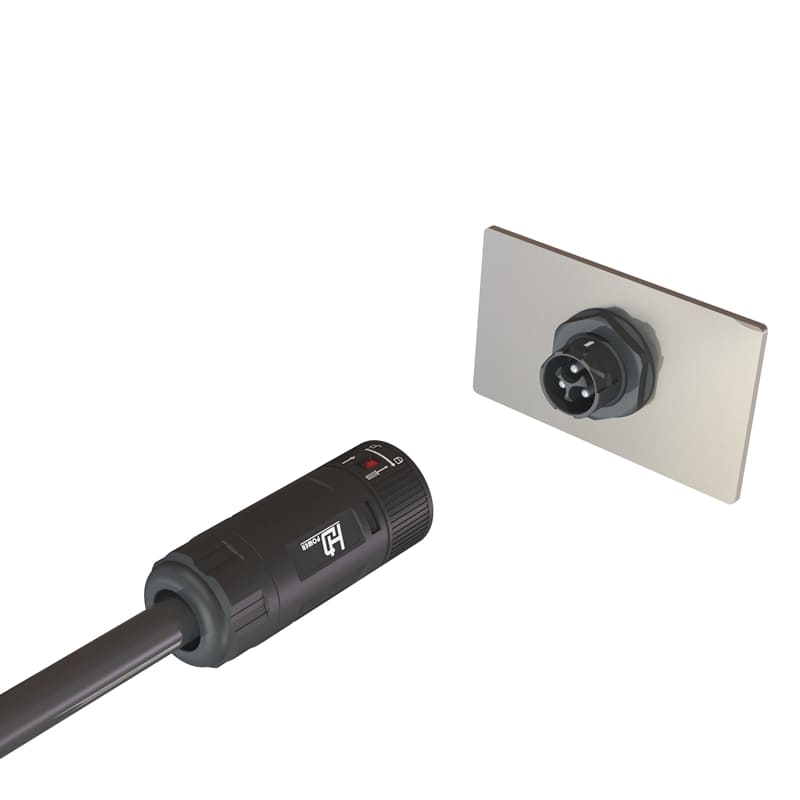
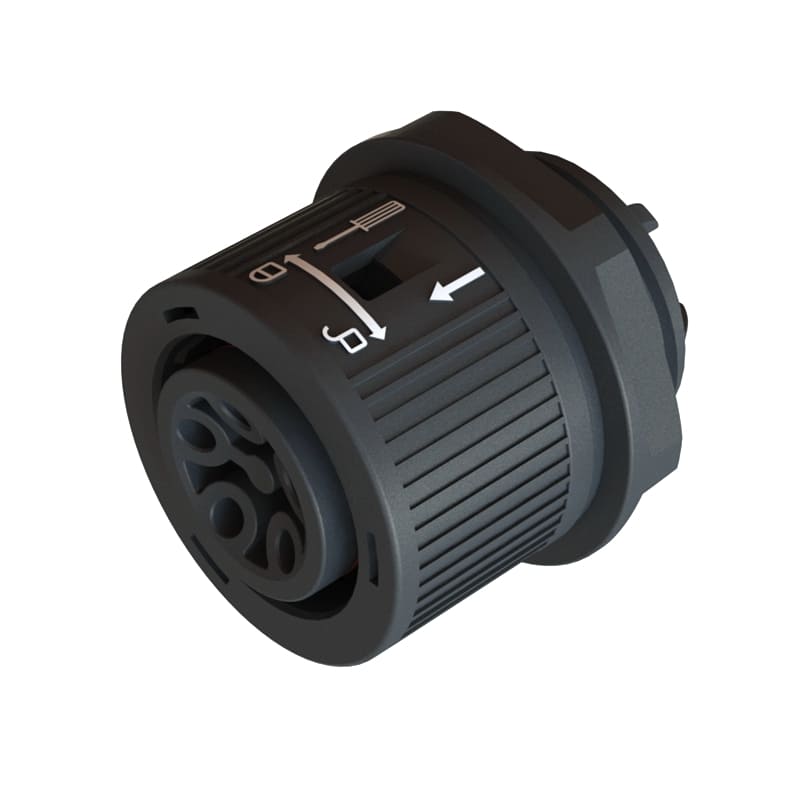
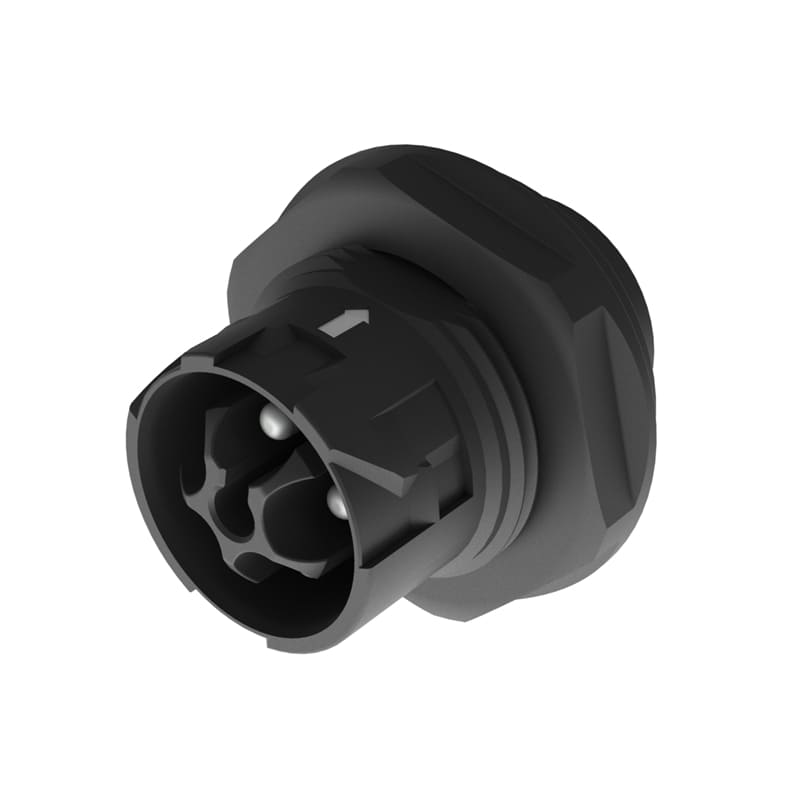
Handa HD PV Panel Mount Positive Negative Connector is the 2nd upgrade version of Handa HD HDC4 panel mount PV Solar connectors, updated the size from M12 to M20 and mounted nut from rear mounting to easier front screw for more convenient on-site installation.
At this point, it's clear that MC4 connectors dominate the solar industry for good reasons. But let's dive deeper into some of the specific advantages that make them the top choice for solar professionals:
When it comes to solar installations, safety is paramount. MC4 connectors are designed with safety in mind. Their snap-in lock prevents accidental disconnections, which can lead to system malfunctions or even electrical fires. Additionally, the MC4's design reduces the risk of electric shock during installation, as the pins are enclosed and well-protected.
The safety features extend to the materials used as well. High-quality MC4 connectors are made with flame-retardant materials and meet stringent international safety standards including IEC 62852 and UL 6703.
Even though MC4 connectors are highly durable and weatherproof, they are surprisingly cost-effective. Their ease of installation also means that labor costs are reduced, making them an affordable option for large-scale installations.
When you consider the total cost of ownership, MC4 connectors offer excellent value. Their long lifespan and reliability mean fewer replacement costs and maintenance visits over the life of the solar system.
Solar technology continues to evolve, but the MC4 connector has stood the test of time. With its universal compatibility and high-performance specifications, it's safe to say that MC4 connectors will remain a cornerstone of solar installations for years to come. Investing in MC4 connectors today means your system will likely be compatible with future components, saving you from having to upgrade connectors down the line.
The MC4 standard has been adopted by virtually every major solar panel manufacturer, ensuring that replacements and expansions will be readily available for decades.
As mentioned earlier, MC4 connectors can handle high currents of up to 30 amps (or more for higher-rated versions). This is particularly important for larger solar systems, where higher currents are common. The ability of MC4 connectors to manage these currents without overheating makes them ideal for both small and large systems.
Although MC4 connectors are the most common and widely used, there are a few alternatives worth mentioning. These alternatives are sometimes chosen for specific situations or unique system requirements:
The predecessor to the MC4, MC3 connectors are still in use today but are becoming less common. The main reason is that they don't offer the same waterproofing and safety features as MC4 connectors. They lack the snap-locking mechanism that makes MC4 connectors so reliable, which is why they are being phased out in favor of more modern solutions.
Similar to MC4, H4 connectors are also a popular option in large-scale installations. They have a higher current rating and are slightly larger, making them more suited for utility-scale solar farms where large amounts of electricity are being transferred.
T4 connectors are primarily used with certain brands of solar panels, making them a less universal option than MC4 connectors. However, they are similar in design and performance, providing good reliability and weatherproofing.
While not as common, Tyco Solarlok connectors are occasionally used in industrial solar systems. Their main selling point is the ease of installation, with a design that reduces the time and effort needed to connect solar panels.
Selecting the right solar connector for your project involves considering several factors. Here's a guide to help you make an informed decision:
Before choosing a connector, evaluate your system's voltage and current requirements. For most residential and commercial installations, standard MC4 connectors rated at 1000V-1500V and 30A will be sufficient. For utility-scale projects, you may need higher-rated options like H4 connectors.
If you're adding panels to an existing system, verify what connectors are already installed. While MC4 is the industry standard, mixing connector types can create issues. Always ensure compatibility with your solar panels and inverters.
Not all MC4 connectors are created equal. Look for connectors from reputable manufacturers that meet international standards. Quality connectors will have:
Proper installation is crucial for the performance and longevity of your solar connectors. Here are some best practices:
While MC4 connectors are designed to be tool-free for connection, you'll need a crimping tool for proper wire termination. Using the correct crimper ensures a solid electrical connection and prevents future failures.
Always double-check polarity before making connections. MC4 connectors have distinct male (positive) and female (negative) ends. Reversing polarity can damage your equipment.
When connecting MC4 connectors, you should hear an audible "click" that confirms the connection is secure. If you don't hear the click, check that the connectors are properly aligned and try again.
While MC4 connectors are waterproof when properly connected, the metal contacts inside can corrode if exposed to moisture during installation. Work in dry conditions and ensure connectors are clean before assembly.
When it comes to solar installations, the connectors you choose might seem like a small detail, but they play a critical role in the overall performance and longevity of your system. Among the different types of solar connectors available, the MC4 connector stands out as the most common and widely used option. With its universal compatibility, weatherproof design, and ease of use, it's no wonder that solar professionals across the globe have made MC4 connectors their top choice.
Whether you're working on a residential setup or a large commercial project, choosing the right solar connectors can make all the difference. The MC4 connector offers the perfect balance of reliability, durability, and cost-effectiveness that makes it ideal for virtually any solar application.
As a professional solar connector manufacturer, Handa Connector offers high-quality MC4 connectors that meet international standards including TUV and CSA certifications. Our products feature pure copper contact pins for superior conductivity and durability.
Explore our product range:
Contact us today for a quote or to learn more about how our connectors can improve your solar installation project.
Invest in quality connectors today and ensure your solar energy system performs at its best for years to come. The right connector isn't just a small component, it's the foundation of a reliable and efficient solar power system.
Discover this amazing content and share it with your network!



.png)
.png)


.png)


.png)
.png)
.png)




.png)