.png)
Tel: +86-18964591791

E-mail: contactus@handa-power.com

WHAT ARE YOU LOOKING FOR?

.png)

.png)
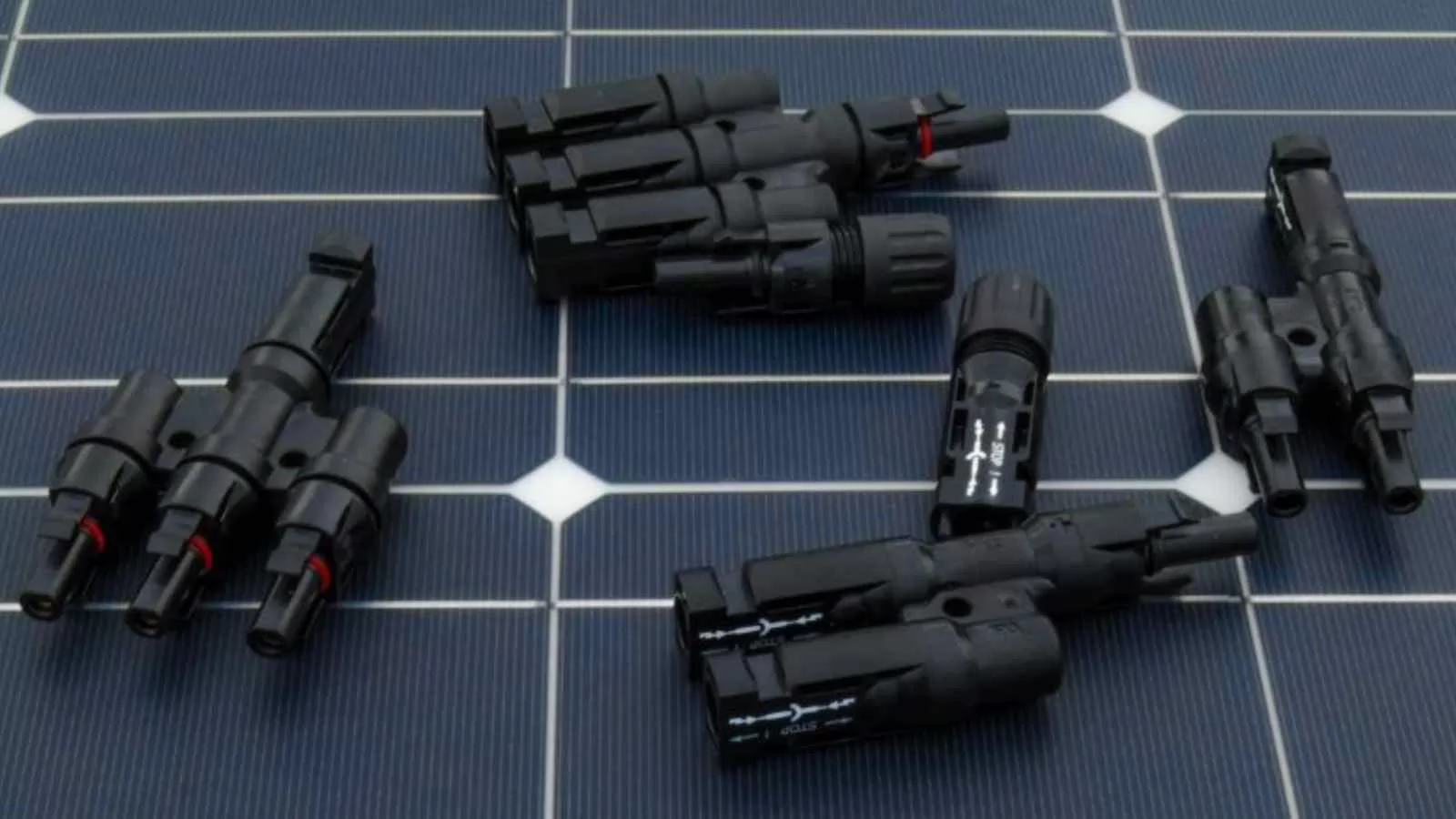
A solar communication connector serves as the critical link between the various components of a solar energy system, allowing them to communicate with one another. In large solar power setups, it's not just about generating energy; it's also about monitoring and controlling that energy effectively. This is where solar communication connectors come into play. They ensure that data transfer and electrical signals between different components, such as solar inverters, monitoring systems, and controllers, are seamless and reliable.
Imagine it like the wiring in a computer or a mobile phone - without connectors, the hardware wouldn't be able to "talk" to each other. Similarly, solar systems need these connectors to ensure that everything is working in harmony. In essence, solar communication connectors serve as the nervous system of your solar array, making sure the brain (controller) knows what's going on with the body (panels, inverters, and batteries).
The evolution of solar communication connectors has paralleled the advancement of smart grid technology and the Internet of Things (IoT). Modern solar installations rely heavily on data communication for performance optimization, fault detection, and remote management. These connectors enable bidirectional communication between photovoltaic modules, string inverters, combiner boxes, energy storage systems, and central monitoring platforms.
Why Quality Matters: A substandard solar communication connector can lead to intermittent connections, data loss, false alarms, and even complete system failures. In commercial and utility-scale installations, even a single connector failure can result in significant revenue loss and costly troubleshooting efforts. This is why professional installers and system integrators prioritize connector quality and reliability.
Handa offers a comprehensive range of solar communication connectors designed to meet diverse application requirements. Each product line features robust construction, superior environmental protection, and industry-leading performance specifications. Let's explore each connector type in detail.
| Basic Requirements | 8PIN |
| Rated Voltage | 150V DC |
| Rated Impulse Voltage | 1000V DC |
| Rated Current | 5A |
| Insulation Resistance | ≥500MΩ |
| Contact Resistance | ≤20mΩ |
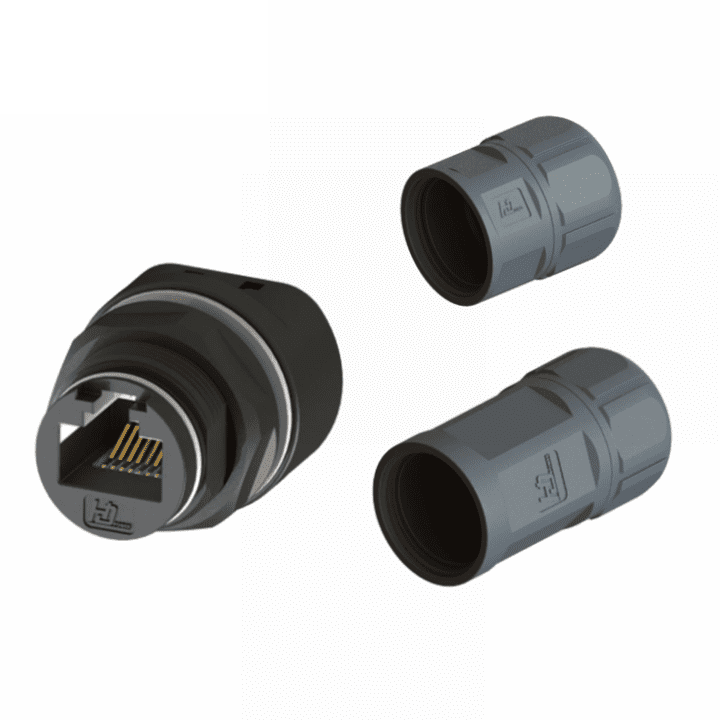
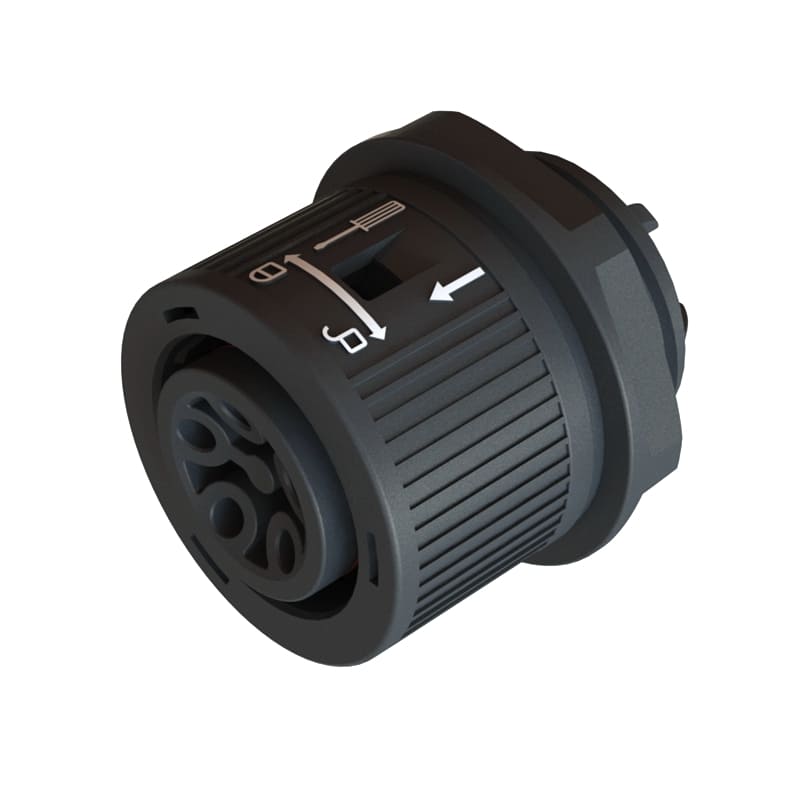
Handa HD RJ45 Network Connector is optional and is only used when a network cable is required to connect the network, so that customers can connect the network cable from the outside of the inverter or battery directly without having to open the wiring box.
Installation Process: Dissemble the socket part of HD RJ45 connector, install the socket on the inverter or battery, universal PCS, then connect the socket and the network port of the device with a network cable. Disassemble the plug part of RJ45 connector, please install the network cable into the plug part and tighten it. Connect the plug part to the socket part, and then finally tighten it to fix it.
| Rated Voltage | 30V DC |
| Rated Impulse Voltage | 100V AC |
| Rated Current | 1.5A |
| Wet Insulation Resistance | ≥100MΩ,@500V DC |
| Contact Resistance | ≤2mΩ |
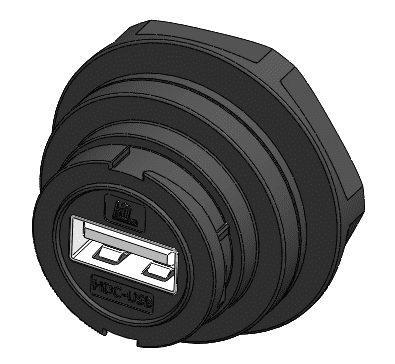
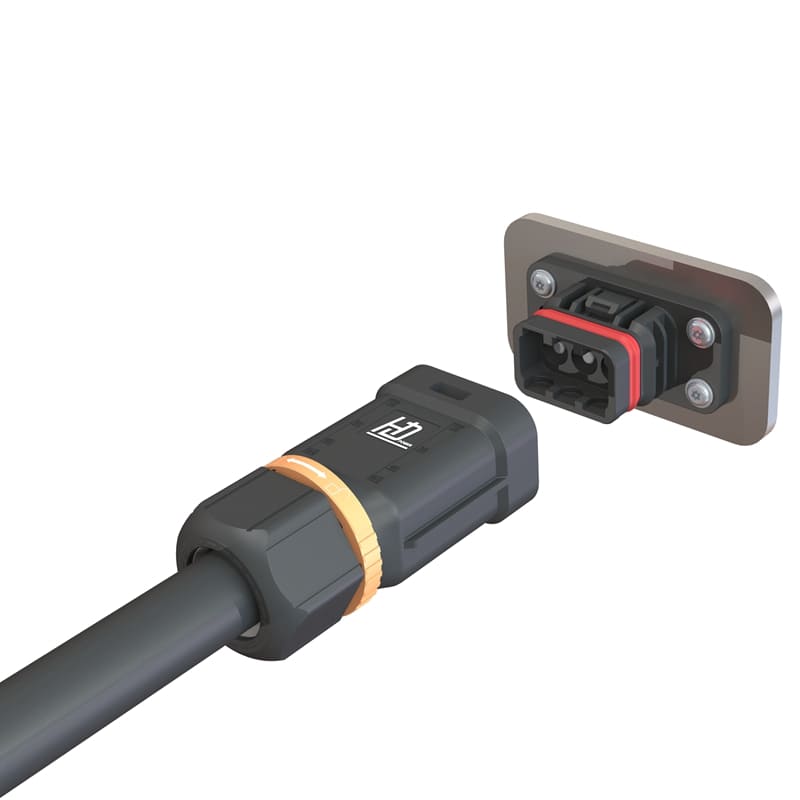
Handa HD brand USB 2.0 Network Connector is applicable to data transmission with quickly plug, fast transfer rate and strongly extensibility for Inverter, battery COM port. IP68 higher waterproof protection level, and socket side 4pin cables can be customized based on specific requirements.
What Sets This Connector Apart: The 4pins cable features a quick plug-in type design, separately 2 parts from Panel USB connectors (while other suppliers soldering the cables into the connectors). This innovative design makes HD USB connectors easily replaceable without unlocking the USB connector itself, significantly reducing maintenance time and costs.
Solid connections system also provides reliable solutions for data transmission in harsh environments, making this solar communication connector ideal for outdoor solar installations exposed to extreme weather conditions.
| Rated Voltage | 30V DC |
| Rated Impulse Voltage | 100V AC |
| Rated Current | 1.5A |
| Wet Insulation Resistance | ≥100MΩ,@500V DC |
| Contact Resistance | ≤30mΩ |
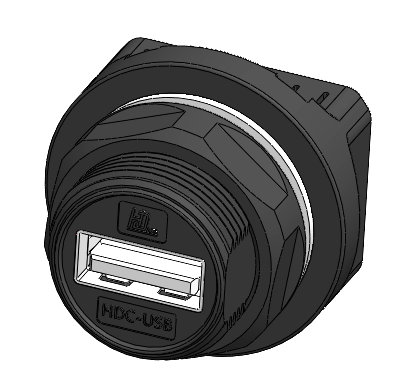
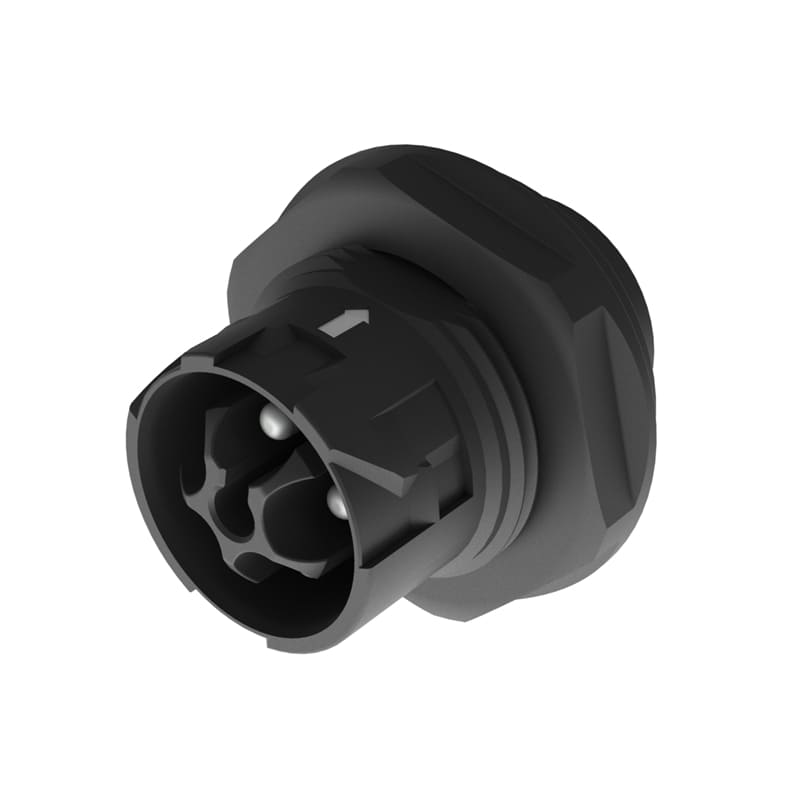
Handa HD brand 13-16 UNF USB 2.0 Network Connector features a 13/16-28UNS hexagon nut mounting configuration, making it applicable to data transmission with quick plug capability, fast transfer rate, and strong extensibility for Inverter and battery COM port applications.
Industrial-Grade Features: IP68 higher waterproof protection level ensures reliable operation in demanding environments. The socket side 4pin cables can be customized based on specific requirements, providing flexibility for various installation scenarios.
The innovative quick plug-in design separates the cable assembly from the panel connector, unlike conventional designs where cables are permanently soldered. This means the solar communication connector can be easily replaced without uninstalling the entire connector from the panel, saving significant maintenance time and reducing system downtime. Solid connections system also provides reliable solutions for data transmission in harsh environments.
| Basic Requirements | 8PIN |
| Rated Voltage | 150V DC |
| Rated Impulse Voltage | 1000V DC |
| Rated Current | 5A |
| Insulation Resistance | ≥500MΩ |
| Contact Resistance | ≤20mΩ |
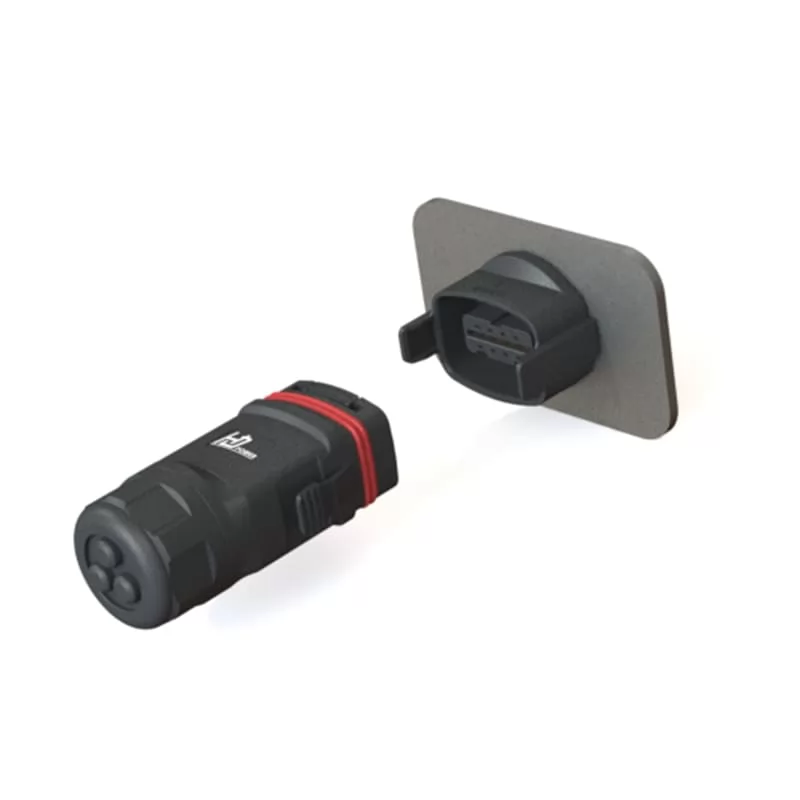
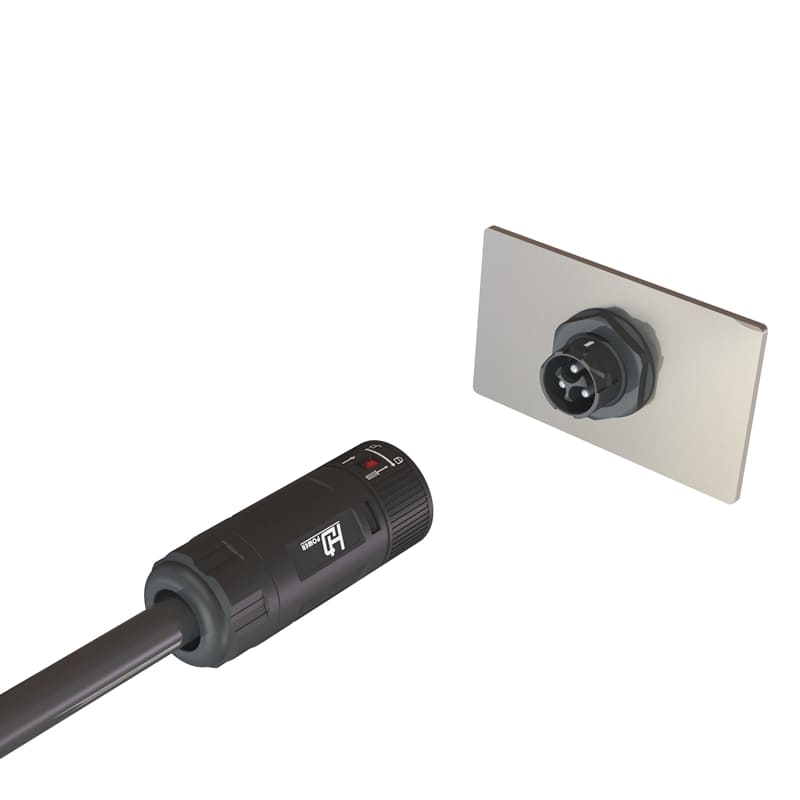
Handa HD brand Network 8Pin Communication Connector is designed as an 8pin wifi network solution for Inverter and battery COM port applications. Its communication signal can be transmitted to both control center and Users' APP in order to detect and check the working condition of the photovoltaic system in real time.
Smart Monitoring Capability: This solar communication connector enables comprehensive system monitoring, allowing operators to track energy production, identify potential issues, and optimize performance remotely through mobile applications or web-based platforms.
IP68 higher waterproof protection level ensures reliable operation in outdoor environments. Socket side 8pin cables can be customized based on specific requirements, providing maximum flexibility for different installation configurations. Solid connections system also provides reliable solutions for data transmission in harsh environments.
Now that we've covered some of the key types of solar communication connectors, let's discuss why these tiny devices are so important for the overall performance of solar panels. Solar panels generate power, but without proper communication systems in place, it's difficult to monitor, control, or optimize energy output. Here's why connectors are a vital part of any solar energy setup:
One of the primary functions of a solar communication connector is to facilitate the flow of data between various components. Without this communication, you wouldn't be able to track performance, diagnose issues, or make adjustments to optimize efficiency. These connectors allow systems to report real-time data on energy production, storage levels, and overall performance. Without them, you'd be flying blind.
Real-Time Benefits: Modern solar installations can leverage this data for predictive maintenance, performance optimization, and grid integration. Property owners can monitor their systems remotely, receiving alerts about potential issues before they become major problems.
Communication connectors also play a critical role in ensuring that your solar system operates reliably and safely. Poorly connected systems can result in incomplete data, inaccurate monitoring, or even system failures. Reliable connectors are essential for maintaining the integrity of the data stream and ensuring that your solar system works as intended.
Safety Considerations: High-quality connectors prevent electrical arcing, reduce fire risks, and ensure proper grounding. They also maintain signal integrity over long cable runs, which is crucial for large-scale installations where monitoring equipment may be located far from the solar array.
Solar energy systems are exposed to the elements year-round, and the connectors used must be able to withstand extreme conditions. Handa's solar communication connectors are designed to be weatherproof, ensuring that no moisture, dirt, or debris can compromise the connection. This enhances the longevity of your system and reduces the risk of downtime due to faulty communication.
Environmental Resilience: IP68-rated connectors can withstand submersion in water up to 1 meter deep for extended periods. They also resist UV degradation, thermal cycling, salt spray in coastal environments, and temperature extremes ranging from -40 degrees C to +85 degrees C.
Another important factor is the ease of installation. Solar systems are often complex, and making sure that all components are connected properly can be challenging. Handa's connectors are designed for quick and simple installation, ensuring that your solar communication system is up and running in no time, saving both labor and time costs.
Installation Advantages: Tool-free connection designs, color-coded wiring schemes, and intuitive plug-and-play mechanisms reduce installation errors and speed up deployment. This translates to lower labor costs and faster project completion times.
Modern solar installations integrate multiple systems including inverters, batteries, monitoring platforms, and grid connection equipment. A quality solar communication connector ensures seamless integration between these diverse components, supporting various communication protocols such as RS485, Ethernet, WiFi, and cellular networks.
Protocol Support: Whether your system uses Modbus RTU, Modbus TCP, SunSpec, or proprietary communication protocols, the right connector ensures reliable data transmission across all system components.
Installing solar communication connectors isn't as intimidating as it sounds. In fact, with the right tools and knowledge, anyone with a bit of electrical experience can do it. Here's a comprehensive guide to installing solar communication connectors like a professional:
Solar communication connectors find applications across a wide range of solar energy installations. Understanding these applications helps in selecting the right connector for your specific project:
1. Q: Can I use regular electrical connectors for solar communication?
A: No, regular electrical connectors aren't designed to handle the high data rates and weather conditions involved in solar installations. Always use specialized solar communication connectors for safety and reliability. Standard connectors lack the environmental protection and signal integrity features required for outdoor solar applications.
2. Q: How often should I check my solar connectors?
A: It's a good idea to inspect your solar connectors at least once a year. Look for any signs of wear, corrosion, moisture ingress, or physical damage that could impact performance. Professional maintenance teams often use thermal imaging to detect connection problems before they cause failures.
3. Q: What happens if a connector fails?
A: If a connector fails, the affected part of the system may stop transmitting data, potentially leading to reduced efficiency or even system failure. It's important to replace faulty connectors as soon as possible. Modern monitoring systems can detect communication failures and alert operators to the specific location of the problem.
4. Q: Are solar communication connectors compatible with all inverter brands?
A: Most solar communication connectors follow industry-standard protocols and physical interfaces. However, it's important to verify compatibility with your specific inverter model. Handa connectors are designed for broad compatibility and can be customized to meet specific requirements.
5. Q: What is the typical lifespan of a solar communication connector?
A: High-quality solar communication connectors like those from Handa are designed to last 25+ years, matching the typical lifespan of solar panels. They undergo rigorous testing for UV resistance, thermal cycling, and environmental exposure to ensure long-term reliability.
6. Q: Can I install solar communication connectors myself?
A: While basic connector installation can be performed by knowledgeable DIY enthusiasts, we recommend professional installation for optimal results. Proper crimping, sealing, and testing require specialized tools and expertise to ensure reliable, long-lasting connections.
7. Q: What IP rating should I look for in solar communication connectors?
A: For outdoor solar installations, look for connectors with IP67 or IP68 ratings. Handa's solar communication connectors feature IP68 protection, meaning they are dust-tight and can withstand continuous immersion in water, providing maximum protection for your investment.
In the world of solar energy, solar communication connectors are the unsung heroes, quietly ensuring that data flows smoothly and systems run efficiently. Whether you're setting up a small residential system or a massive solar farm, choosing the right connectors is crucial. From RJ45 network connectors to USB communication solutions, each type has its own unique advantages and applications.
The importance of quality solar communication connectors cannot be overstated. They enable real-time monitoring, ensure system safety, withstand harsh environmental conditions, and simplify installation processes. By investing in premium connectors from reputable manufacturers, you protect your solar investment and ensure decades of reliable performance.
At Handa, we specialize in manufacturing top-of-the-line solar communication connectors designed to meet the needs of various solar energy systems. Our products offer durability, reliability, and ease of installation, making us the go-to choice for solar installers worldwide.
Ready to upgrade your solar communication infrastructure? Explore our complete range of Solar RJ45 Connectors, M25 USB 2.0 Connectors, 13-16 UNF USB 2.0 Connectors, and Solar 8Pin Communication Connectors to find the perfect solution for your project.
Invest in the right connectors today to keep your solar system running at peak performance for years to come.
Discover this amazing content and share it with your network!


.png)
.png)


.png)


.png)
.png)
.png)





.png)